Cardio exercises for seniors include brisk walking, low-impact dance, and stationary cycling. Chair aerobics, seated marching, and group cardio classes also keep seniors active safely. Regular movement strengthens muscles, supports circulation, and reduces fatigue.
According to RunRepeat, about 30 minutes of daily low-intensity cardio may reduce cardiovascular disease deaths by 24%. Hitting this target is easier in a supportive independent living community like Morada Meadow Lakes.
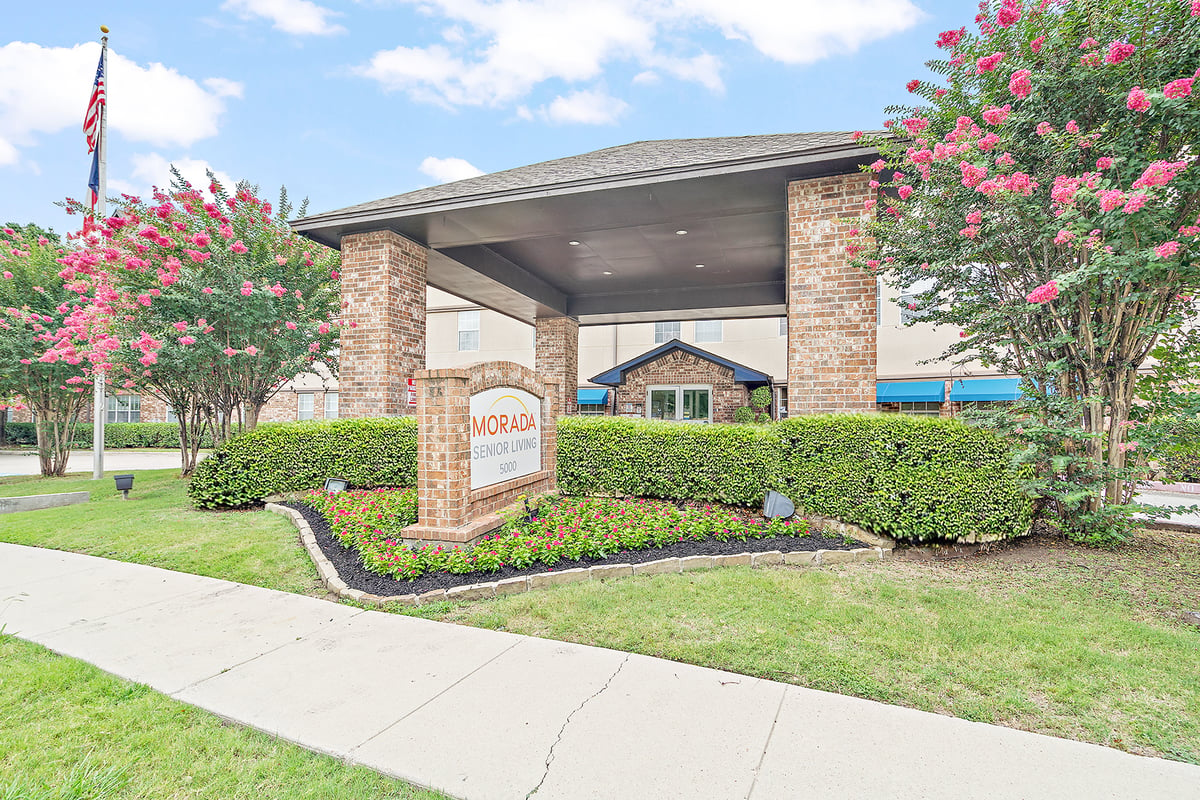
Located in North Richland Hills, TX, our community offers senior-friendly fitness activities, chef-prepared meals, engaging social events, and cozy apartments. Residents enjoy a balanced lifestyle combining health, connection, and comfort.
What Happens if Seniors Don't Exercise?
Skipping regular activity can:
- Reduce strength
- Weaken balance
- Lower endurance
- Increase fall risk
- Impair memory
- Limit flexibility
Sadly, exercising alone at home can be difficult for many seniors. Local gyms may feel intimidating and hard to navigate.
Moving to Morada Meadow Lakes provides a supportive environment that makes staying active simple. Residents enjoy structured senior fitness routines designed for safety, social engagement, and consistent daily movement.
Should a 70-Year-Old Walk Every Day?
Walking daily can benefit a 70-year-old by improving:
- Heart health
- Strength
- Energy
- Balance
- Mood
Maintaining heart health over 70 requires consistency more than frequency. Rest days allow muscles to recover and prevent fatigue.
Seniors can incorporate other low-impact exercises, such as stretching, chair aerobics, or cycling. Alternating activities maintains overall fitness while ensuring workouts remain enjoyable and safe for long-term health.
Cardio Exercises for Seniors in Independent Living
As a senior, one of the joys of joining a community like Morada Meadow Lakes is finding peers close to your age. Exercising with friends makes fitness safe and enjoyable. Group settings encourage encouragement and camaraderie.
Living in a community allows easy access to structured ways of staying active in retirement programs. Daily routines integrate fun, safe movement that supports both physical and mental health.
Brisk Walking on Flat Paths
Walking on flat, even paths reduces joint strain while improving endurance. Residents can walk together, fostering friendship and accountability. Consistent brisk walking helps:
- Strengthen legs
- Support circulation
- Increase stamina
- Improve balance
- Boost energy
Walking outdoors provides sensory stimulation and fresh air. Maintaining a walking routine contributes to overall wellness and movement.
Many residents enjoy short walks after meals or morning strolls. Seniors can track progress and celebrate achievements, enhancing motivation.
Stationary Cycling
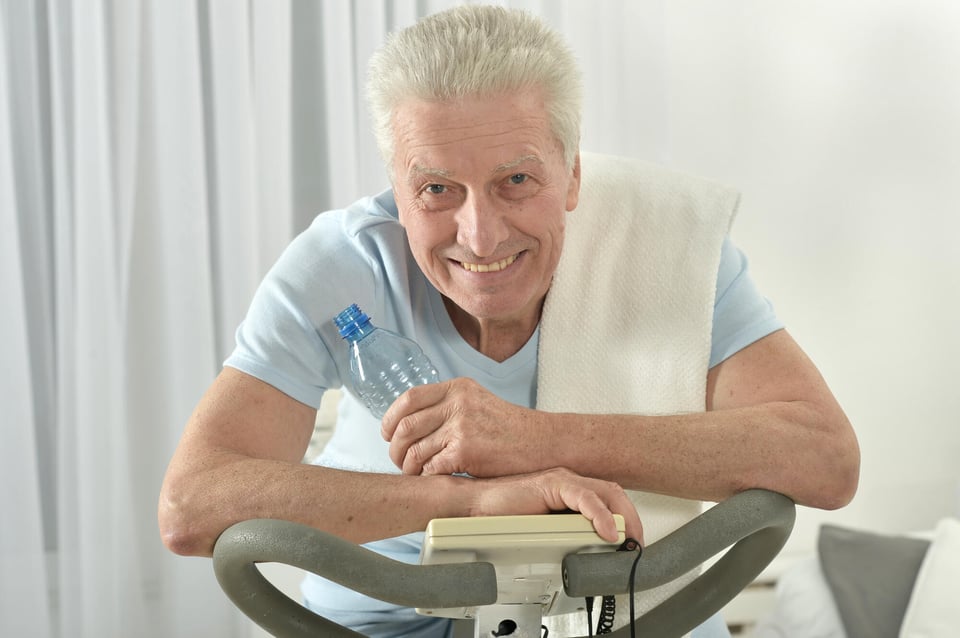
Stationary bikes provide cardiovascular benefits without high-impact stress. Pedaling strengthens leg muscles and improves circulation. Adjustable resistance allows personalized intensity.
Cycling promotes endurance and joint mobility safely. Residents can track their distance and speed for added motivation.
Indoor cycling is safe in all weather conditions. It supports senior fitness routines while reducing fall risk.
Heart rate increases gradually, enhancing aerobic capacity. Cycling sessions can be paired with light stretching.
Consistent cycling improves stamina, energy levels, and confidence in mobility. It also complements other exercises in a balanced routine.
Seated Marching
Seated marching strengthens core and leg muscles safely. Residents lift knees and pump arms in rhythm. This exercise boosts circulation and improves joint mobility.
Seated marching adapts to all fitness levels and can be paired with music for enjoyment. Seniors practicing it gain better endurance for daily tasks.
Classes support wellness and movement while reducing strain. Repetition enhances coordination, confidence, and mental focus. Daily sessions complement walking or cycling routines.
Low-Impact Dance
Dance classes allow seniors to enjoy music while moving safely. Choreographed routines improve:
- Coordination
- Rhythm
- Memory
- Balance
- Focus
Gentle footwork and hand movements strengthen core muscles. Low-impact dance reduces joint stress and supports flexibility. Group classes build friendships and confidence.
Residents can participate regardless of fitness level. Dance also boosts mood and emotional well-being. Consistent practice enhances energy through exercise and mental alertness.
Instructors guide movements, ensuring safety. Residents leave sessions feeling accomplished and engaged. Music and movement combine to provide both fun and functional fitness benefits.
Chair Aerobics
Chair-based exercises provide a safe option for those with mobility limitations. Residents can perform movements while seated, reducing fall risk. Arm raises, leg lifts, and torso twists improve strength and flexibility.
Chair aerobics encourages staying active in retirement without requiring full balance. It engages major muscle groups and improves circulation. Classes are often guided by instructors for consistency and safety.
Seniors gain confidence and independence while seated. Movements enhance coordination and posture.
Regular participation supports overall cardiovascular health. Chair aerobics is an excellent gateway to more vigorous activities.
Frequently Asked Questions
How Can Seniors Prevent Joint Pain While Performing Cardio Exercises?
Low-impact activities like walking, stationary cycling, or chair aerobics reduce stress on joints. Wearing supportive footwear and exercising on cushioned surfaces helps. Proper posture and controlled movements prevent strain.
Seniors can also combine cardio with stretching to maintain flexibility. Listening to the body and stopping when pain occurs protects joints and supports long-term mobility.
What Is the Safest Way for Seniors to Warm Up Before Cardio?
Seniors can begin with gentle movements like:
- Shoulder rolls
- Ankle circles
- Light stretching
- Neck turns
- Arm swings
Marching in place or slow walking gradually raises the heart rate. Warming up helps loosen muscles, improve circulation, and prepare joints for exercise.
Spending five to 10 minutes on these movements supports effective and safe cardio sessions.
Can Resistance Bands Complement Cardio Exercises Safely for Older Adults?
Resistance bands add gentle strength training alongside cardio routines. They improve muscle tone, balance, and endurance without heavy weights. Seniors can use bands for upper-body or leg exercises during warm-ups or cool-downs.
Proper technique and slow, controlled movements reduce injury risk. Combining cardio and resistance bands enhances overall fitness while supporting joint health and functional strength.
Staying Active With Cardio Exercises for Seniors: Your Path to Wellness
Cardio exercises for seniors improve heart health, mobility, and overall energy. Consistent activity supports strength, flexibility, and mental focus.
Walking, low-impact dance, and chair aerobics offer fun ways to stay active. Joining a supportive community makes exercise easier and more enjoyable, helping seniors maintain long-term wellness and independence.
At Morada Meadow Lakes, we provide safe spaces and group fitness options. Residents enjoy nearby attractions like the Iron Horse Golf Course, downtown Fort Worth, and Grapevine Lake.
Tanya Wood, our Executive Director, brings hands-on experience and a personal understanding of senior care. Schedule a tour today to explore our welcoming community.