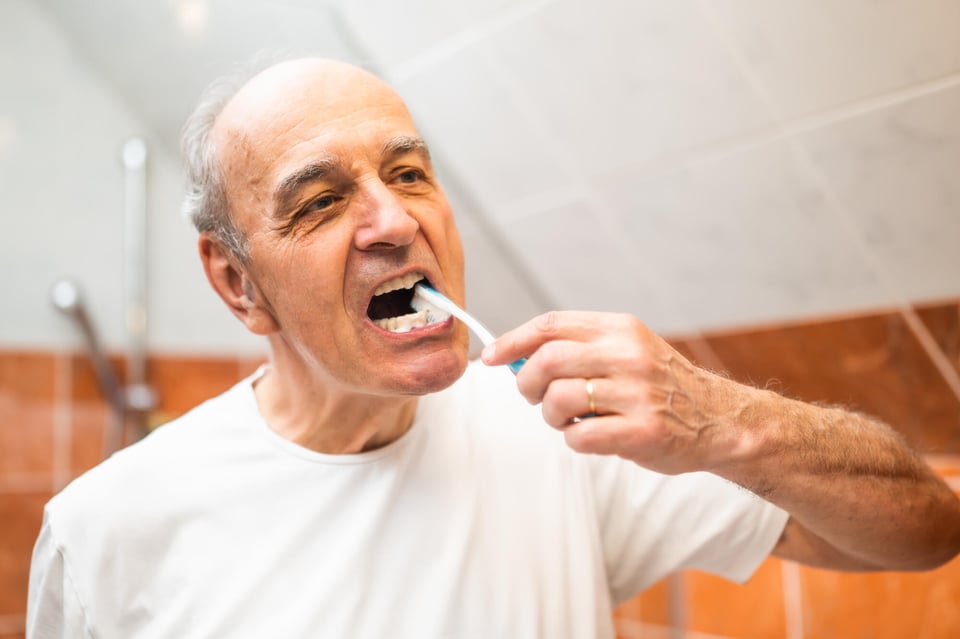
Good oral care plays a direct role in protecting heart health after age 60. Daily habits that support healthy teeth and gums also help reduce inflammation that can affect the heart. Teeth and heart health become more closely linked as the body ages and becomes more sensitive to infection.
Heart disease remains the leading cause of death in the world, according to the CDC. Oral infections and untreated gum disease can increase strain on the cardiovascular system over time. Dental health aging brings added challenges, making consistent oral care for seniors more important than ever.
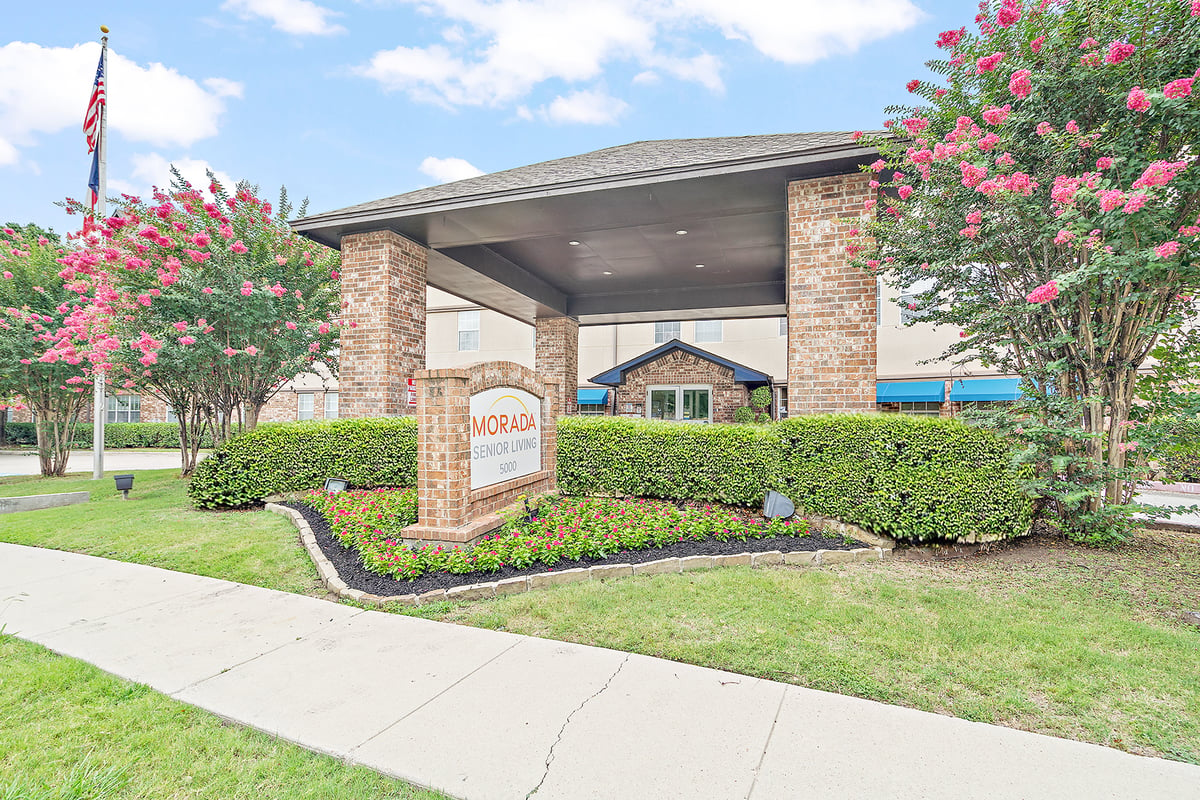
Here at Morada Meadow Lakes, our senior living community in North Richland Hills, TX, just 28 miles from Dallas, we support daily wellness routines. In this blog post, we'll explain the oral health and heart connection, common risks after 60, and simple ways to protect long-term health.
Why Is Good Oral Hygiene Important in Older Adults?
Good oral hygiene helps prevent infections that become harder to manage with age. Gum disease and tooth decay can progress faster in older adults due to dry mouth, medications, and changes in immune response. Daily care protects comfort and overall health.
Healthy teeth and gums also support proper nutrition. Pain or sensitivity can limit food choices, which affects energy and heart health. Consistent brushing and flossing reduce the risk of inflammation that spreads beyond the mouth.
Oral care also plays a role in senior heart disease prevention. Bacteria from infected gums can enter the bloodstream and increase cardiovascular strain. Maintaining oral hygiene supports hygiene and cardiovascular health as part of daily wellness.
Can Not Taking Care of Your Teeth Affect Your Heart?
Poor oral care can increase the risk of heart problems after age 60. Gum disease causes inflammation that may contribute to plaque buildup in the arteries. Over time, this raises stress on the heart.
Bacteria from the mouth can enter the bloodstream through inflamed gums. Once circulating, these bacteria may worsen existing heart conditions. Adults with untreated gum disease face higher cardiovascular risks.
At Morada Meadow Lakes, we encourage consistent daily routines that support whole-body health.Our senior living community in North Richland Hills, TX, promotes simple habits that support long-term heart wellness.
Common Oral Care Challenges After 60
Aging brings changes that make oral care more difficult. Arthritis can limit hand movement, while memory changes may affect routine consistency. Medications often reduce saliva, which increases the risk of decay.
Dry mouth allows bacteria to grow more easily. This increases gum irritation and tooth sensitivity. Regular hydration and proper oral care tools help reduce these risks.
Practical aging wellness tips include using easy-grip toothbrushes and setting reminders. Simplifying routines helps maintain oral health and reduces the chance of complications that affect the heart.
How Senior Living Supports Oral And Heart Health
Senior living communities help reinforce healthy daily routines that become harder to maintain with age. Consistent schedules support regular brushing, flossing, and personal care without feeling rushed. Lower daily stress also helps reduce inflammation that can affect both oral and heart health.
Access to support when needed allows residents to stay consistent with self-care. Gentle reminders and assistance help prevent skipped routines that can lead to gum disease or infection. Peace of mind plays a role in overall wellness and long-term health.
At Morada Meadow Lakes, residents benefit from dependable senior living in a quiet North Richland Hills neighborhood. Our community supports comfort, structure, and independence, while remaining close to Dallas. These features help residents maintain healthy habits that support both oral care and heart health over time.
Frequently Asked Questions
Does Tooth Loss Increase Health Risks as You Age?
Tooth loss can affect more than appearance. Missing teeth may limit food choices, leading to poor nutrition.
Softer, processed foods often contain more sugar and salt, which can increase inflammation. Over time, limited diets can put extra strain on the heart and reduce overall wellness.
How Often Should Older Adults See a Dentist?
Most adults over 60 should see a dentist at least twice a year. Some may need more frequent visits due to gum disease, dry mouth, or existing dental work. Regular exams help catch infections early before they spread or affect heart health.
Can Dentures or Partial Dentures Affect Oral Health?
Dentures require daily cleaning and proper fit checks. Poorly fitted dentures can irritate gums and increase infection risk.
Regular maintenance helps protect oral tissues and prevents bacteria buildup that may impact overall health as you age.
Does Dry Mouth Increase the Risk of Dental Problems?
Dry mouth is common in older adults, especially those taking medications. Reduced saliva allows bacteria to grow more easily, increasing the risk of cavities and gum disease. Managing dry mouth supports healthier teeth and lowers infection risk.
Are Bleeding Gums Normal in Older Adults?
Bleeding gums are not a normal part of aging. They often signal gum inflammation or infection. Ignoring bleeding can allow bacteria to enter the bloodstream. Addressing gum issues early helps protect both oral and heart health.
Can Poor Oral Health Affect Energy Levels?
Oral infections force the body to fight ongoing inflammation. This can lead to fatigue and reduced energy. Treating dental issues often improves comfort, sleep quality, and daily stamina.
How Does Consistency Matter More Than Technique After 60?
Perfect technique matters less than consistency. Brushing and flossing every day reduces bacteria buildup, even if movements are slower. Reliable routines protect oral health and help reduce long-term risks to heart health.
Protect Your Teeth and Heart Health at Our Community
To sum up, strong daily habits play an important role in protecting teeth and heart health after 60. Consistent oral care helps reduce inflammation, supports better nutrition, and lowers long-term cardiovascular strain.
At Morada Meadow Lakes, we offer dependable senior living in one of DFW's "Ten Best" neighborhoods, with a quiet setting that supports healthy routines and independence. Our community blends affordability, comfort, and a strong sense of connection in North Richland Hills, TX, just 28 miles from Dallas.
See how supportive senior living can make everyday wellness easier. Schedule a tour and experience Morada Meadow Lakes for yourself. We're here to help.