
Summary
What does active independent living mean? It's a lifestyle offering convenience, social connection, and fewer household responsibilities while residents maintain full independence over their daily lives and decisions.
- Private apartments where residents manage their own routines while accessing dining, housekeeping, maintenance, and transportation services.
- Shared amenities like fitness centers, hobby spaces, and organized events create opportunities to connect without mandatory participation.
- Monthly fee covers housing and most services, simplifying finances compared to homeownership with property taxes and unexpected repairs.
- Best suited for people who handle personal care independently but want fewer household obligations and more built-in social opportunities.
- "Active" means choice—residents pick programs matching their interests, from fitness classes to quiet hobbies like gardening or reading.
What does active independent living mean for older adults considering a move? Simply put, it's a lifestyle that offers more convenience, opportunities to connect, and fewer household responsibilities without giving up independence.
The independent living definition explained in practical terms is straightforward: residents manage their own daily needs while enjoying services such as dining, housekeeping, and maintenance. Rather than focusing on personal assistance, this lifestyle makes everyday life easier and leaves more time for the things residents enjoy.
What Is Independent Living for Seniors in Daily Life?
Independent living communities offer private apartments where residents maintain their routines and make their own decisions. The difference is having convenient services and shared amenities close to home.
Common offerings include:
- Dining services: Prepared meals and opportunities to enjoy dining with neighbors.
- Housekeeping and maintenance: Help with cleaning and repairs, reducing everyday chores.
- Scheduled transportation: Convenient rides for shopping, appointments, and local outings.
- Social programs: Organized events, exercise classes, and opportunities to meet neighbors.
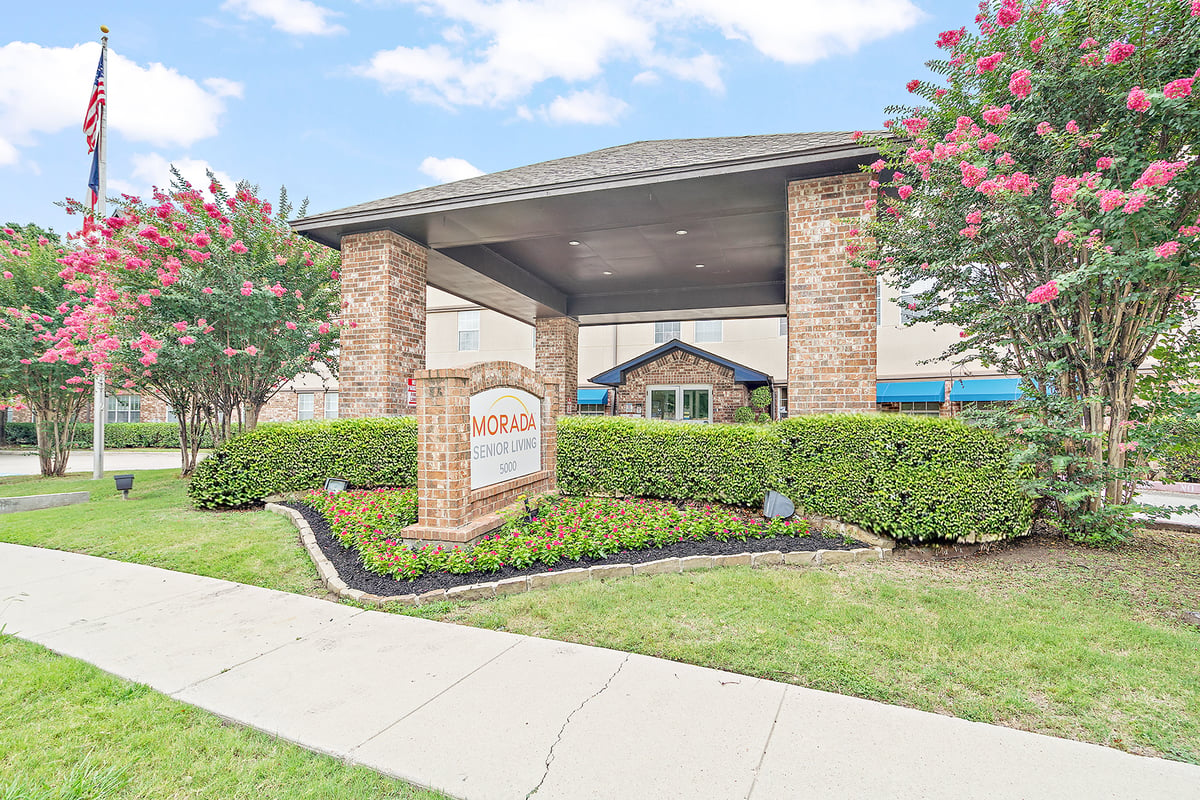
At Morada Meadow Lakes in North Richland Hills, TX, residents enjoy Active Independent Living with homestyle dining, housekeeping, and scheduled transportation.
Residents decide how to spend their time, whether that means joining a community event, visiting family, or enjoying a quiet afternoon in their apartment.
How Independent Living Communities Work
Understanding how independent living communities work starts with knowing what services are included. Most communities charge a monthly fee covering housing, maintenance, and access to certain amenities. Dining arrangements, transportation, and other services vary by location.
Residents can enjoy shared spaces without having to organize every gathering themselves. Some communities offer fitness centers, libraries, hobby spaces, and comfortable areas for conversation.
At Morada Meadow Lakes, residents can spend time in the billiards room, relax on the covered patio, or enjoy gardening in the greenhouse and raised garden beds.
These amenities provide opportunities to stay engaged while allowing residents to maintain their preferred routines.
Independent Living vs. Staying Home: Key Differences
Comparing independent living vs. staying home often comes down to convenience, social opportunities, and personal preferences.
At home, older adults typically manage repairs, yard work, cleaning, and meal preparation themselves or arrange separate services. Independent living brings many of these conveniences together in one community.
The financial considerations also differ. Homeownership involves property taxes, maintenance expenses, and unexpected repairs. Community living generally involves a monthly fee, although what's included varies.
Social connection is another consideration. Living at home may require more planning to see friends or attend events. In a community, neighbors and shared programs are nearby.
However, residents may have less flexibility to customize their apartments and must follow community guidelines. Neither option is automatically better. The right choice depends on what matters most to each person.
Who Needs Independent Living?
If you're wondering who needs independent living, the answer may be someone who manages daily responsibilities independently but would appreciate a simpler lifestyle.
Independent living can appeal to older adults who want fewer household obligations, more social opportunities, or a smaller living space.
Common reasons for considering a move include:
- Less maintenance: Leaving behind demanding yard work, cleaning, and home repairs.
- More connection: Having neighbors and organized events nearby.
- Simpler living: Downsizing from a larger home into a manageable apartment.
- Greater convenience: Enjoying prepared meals and transportation without coordinating everything independently.
This lifestyle is intended for people who can manage personal needs, including bathing, dressing, and medications, without routine assistance from community team members.
Moving before household responsibilities become overwhelming also gives residents more time to settle in and enjoy community life.
What Does Active Living Actually Include?
The word "active" doesn't mean residents must follow a packed schedule. Instead, it reflects the opportunity to participate in programs that match their interests and abilities.
Communities may offer exercise classes, educational programs, creative hobbies, games, and outings. Residents can participate regularly or choose quieter pursuits.
Morada Meadow Lakes offers Health & Fitness programming, themed events, educational programs, and social gatherings. Residents can also enjoy movie nights and community outings.
The important distinction is choice. Some residents enjoy meeting friends for games, while others prefer reading, gardening, or spending time with family.
Making the Transition to Independent Living
Moving to independent living involves more than choosing an apartment. It's also about finding a community where daily routines, amenities, and social opportunities feel comfortable.
Before making a decision, consider these steps:
- Tour different communities: Compare apartment layouts, shared spaces, and available services.
- Experience the dining: Enjoy a meal and get a sense of the atmosphere.
- Explore community programs: Ask about events and opportunities that match personal interests.
- Plan the move: Decide which belongings to bring and allow time to adjust.
Visiting in person can make the decision easier. It also provides an opportunity to ask questions about pricing, services, and community expectations.
Discover Active Independent Living at Morada Meadow Lakes
Understanding what is independent living for seniors means recognizing that independence and convenience can go hand in hand.
At Morada Meadow Lakes, residents can maintain their routines while enjoying welcoming neighbors, homestyle meals, and opportunities to stay engaged.
Schedule a tour of Morada Meadow Lakes to explore the apartments, meet the community, and see whether Active Independent Living fits your lifestyle.